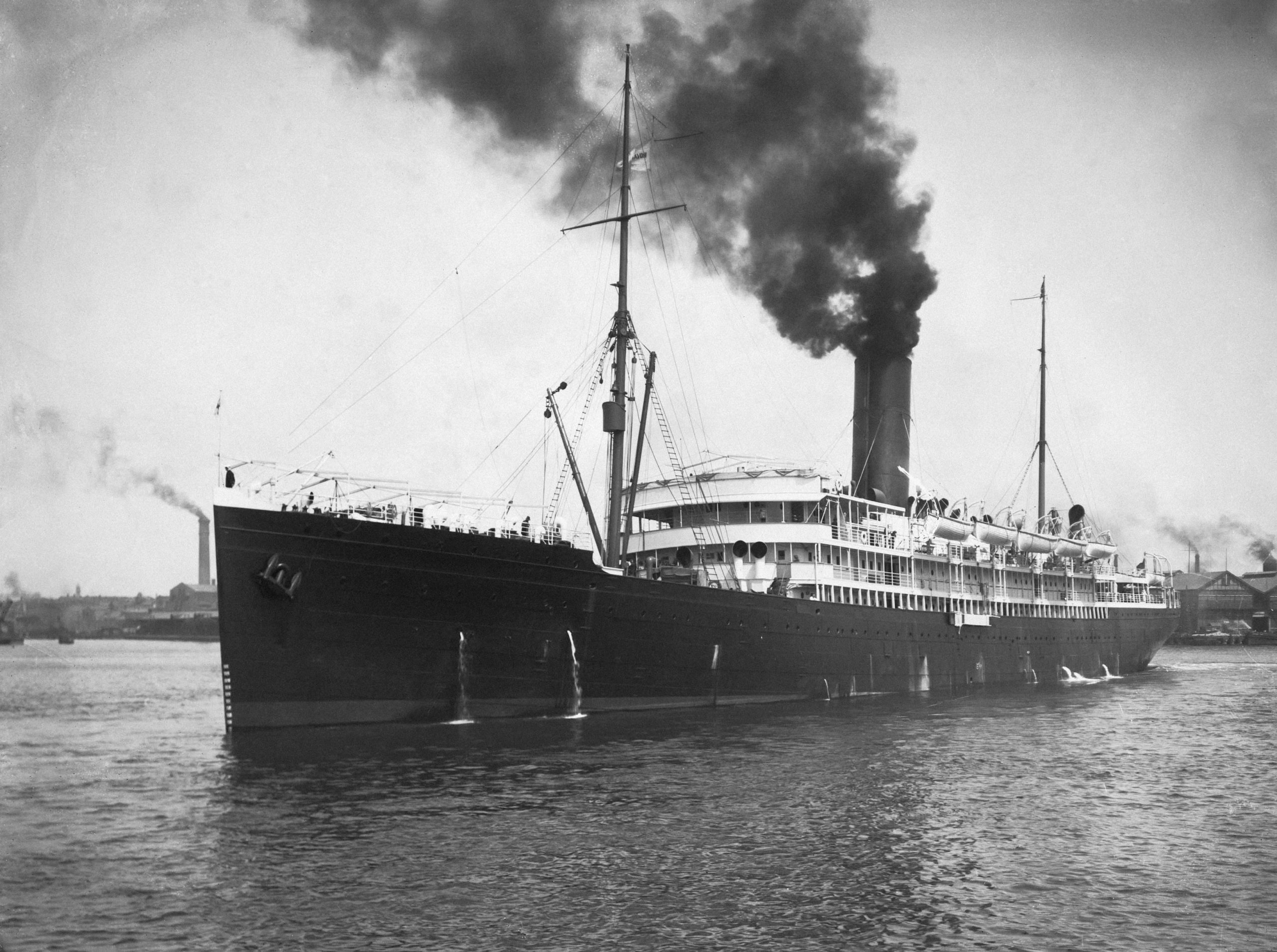
You may think you know everything about the famous RMS Titanic from documentaries and movies, but there are still plenty of surprising facts about the Titanic that even dedicated history buffs sometimes miss. Its story involves more than just a dramatic collision with an iceberg. From curious survival tales to unexpected design flaws, the Titanic’s legacy continues to fascinate you and countless other history enthusiasts.
The Unusual Warnings
The Titanic is often portrayed as a marvel of its day, and its reputation for being unsinkable arguably led to the underestimation of physical risks facing the vessel. The Titanic crew reportedly received at least six separate iceberg warnings before the fatal collision on April 14, 1912 (Titanic Facts). Despite those urgent messages, the ship maintained a near-top cruising speed.
You might wonder why such warnings went largely unheeded. At the time, there was widespread faith in the ship’s “watertight” compartments, which many believed would keep it afloat even if the hull was breached. The reality proved otherwise when six forward compartments flooded, far beyond what the design could handle (Titanic Belfast).
Why Warnings Were Ignored
- Overconfidence in new technology.
- A desire to set speed records.
- Underestimation of the true danger posed by ice fields.
The Fateful Lifeboat Shortfall
Another startling piece of trivia is that, although the Titanic had space for 64 lifeboats, it only carried 20. That decision stemmed from a combination of outdated safety regulations and efforts to make the decks more visually appealing (Titanic Facts). Tragically, even the existing lifeboats were not filled to capacity because some crew members feared they would collapse under excess weight.
It’s also eye-opening to learn that the ship was only about half full when it set sail, carrying 2,222 passengers and crew out of a possible 3,547 (Titanic Facts). If it had been fully booked, the loss of life could have been even more catastrophic.
Key Facts About Lifeboats
- Capacity for over 3,500 people onboard, yet 2,222 actually sailed.
- Roughly 1,500 people died, with only about 700 survivors (Gilder Lehrman Institute of American History).
- New safety regulations after 1912 required enough lifeboats for everyone.
Meet The Unexpected Survivors
Some of the most enthralling stories from the Titanic involve its survivors. For instance, the chief baker Charles Joughin is said to have treaded water for four hours and attributed his survival to the liquor he had consumed, which may have lessened the shock of the freezing Atlantic (Reddit). You’ll also find Violet Jessop, famously dubbed the “Triple Survivor,” because she lived through incidents on three different ships including the Titanic and its sister ship, Britannic.
Over at Diary File, you can find a series of letters written by passengers before, during, or after their time on the TItanic. These are revealing in the depth they provide about the human experiences associated with the great vessel.
Even pets were part of this epic tale. Perhaps the most surprising is that two lapdogs survived by remaining close to their owners and boarding lifeboats. Meanwhile, no cats were aboard, despite the era’s common practice of keeping felines on ships to control pests (Titanic Facts).
Noteworthy Survivor Stories
- Charles Joughin’s fortitude in the icy water.
- Violet Jessop’s multiple brushes with maritime disasters.
- A couple of lucky lapdogs sheltered by caring owners.
The Social Barriers Onboard
Although the escape order was for “women and children first,” social class played a heartbreaking role in the evacuation. Third-class passengers were confined in their section by grilles designed to keep them separated. Some gates were never unlocked in time, making it even more difficult for them to reach the lifeboats (Wikipedia). This contributed to the shockingly low survival rate among third-class travelers.
Class distinctions also shaped how bodies were recovered. The cable ship Mackay-Bennett embalmed primarily first-class victims so their families could identify them more easily, while many others were buried anonymously in Halifax (Wikipedia).
Barriers That Shaped Outcomes
- Locked grilles blocking access to upper decks.
- Language and cultural differences among immigrants.
- Slow response by crew members who did not immediately comprehend the danger.
If you love exploring lesser-known corners of history, you might also enjoy unexpected trivia about the French Revolution or fascinating facts about the american civil war.
A Voyage of Fatal Fascination
The Titanic’s saga holds a place in maritime history not just for its tragic end but also for the fascinating details that continue to surface. You’ve seen how iceberg warnings went ignored, lifeboats fell tragically short, unlikely survivors defied the odds, and class barriers altered people’s fates. These surprising facts about the Titanic shed fresh light on a story you might think you already knew. By understanding all of its dimensions, you become part of its living legacy, fueled by curiosity and an appreciation for the untold depths of our shared past.