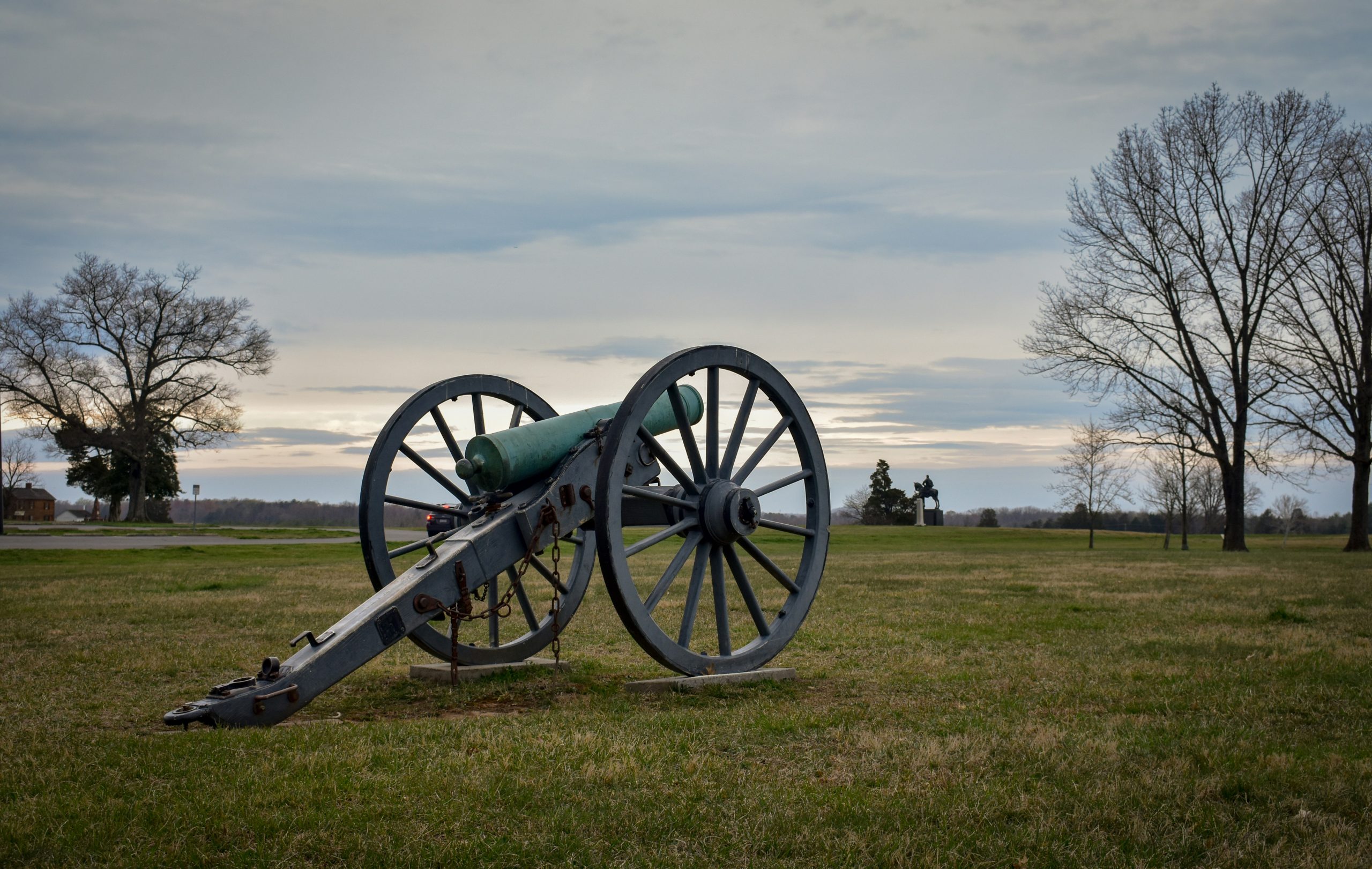
Natural curiosity might draw you toward fascinating facts about the American Civil War, especially if you love uncovering surprising details from pivotal moments in history. This conflict, fought between 1861 and 1865, shaped the United States in dramatic ways. Below, you’ll explore its origins, discover its massive scale, learn about groundbreaking innovations, recognize the diverse contributions that changed the war’s course, and uncover memorable moments that still intrigue historians today.
Understand The War’s Origins
The Civil War didn’t erupt out of nowhere. Southerners feared the expansion of anti-slavery policies under President Abraham Lincoln, so eleven states seceded and formed the Confederacy. When Confederate forces attacked Fort Sumter in April 1861, the stage was set for a conflict that would redefine national unity and abolish slavery. Officially, the war ended in the spring of 1865 with General Robert E. Lee’s surrender to General Ulysses S. Grant at Appomattox Court House (American Battlefield Trust).
- You’ll find that slavery played a central role, as the Southern economy depended on it.
- Lincoln’s election in 1860 heightened tensions, pushing the first states to leave the Union.
- The Confederate bombardment of Fort Sumter signaled open warfare, compelling the remaining states to choose sides.
Recognize The Massive Scale
The American Civil War was fought across thousands of miles, from the East Coast to the New Mexico Territory. Over 10,000 battles and engagements took place, resulting in staggering casualties. About 620,000 soldiers perished, though estimates can go as high as 850,000, surpassing the combined American losses in both World Wars (American Battlefield Trust).
- Disease was the number one killer, with close-quarters troop camps creating breeding grounds for malaria, measles, and dysentery.
- The Battle of Antietam in 1862 remains the bloodiest single day in American military history, with 22,717 casualties (Love Exploring).
Discover Naval Innovations
You might picture large land armies clashing on fields, but the Civil War also revolutionized naval warfare. Both Union and Confederate forces introduced ironclad ships, a major jump from traditional wooden vessels. This breakthrough drastically changed how navies operated worldwide, influencing ship design for decades to come (American Battlefield Trust).
- Union blockades choked off Confederate trade and supplies.
- Battles raged on the Atlantic Ocean, Gulf of Mexico, and along major rivers.
- Ironclads like the USS Monitor and CSS Virginia left a lasting mark on maritime combat.
Appreciate Diverse Contributions
Although the phrase “brother against brother” often sums up the Civil War, you’ll also find that a wide range of cultures and communities fought. About one-third of Union soldiers were immigrants, including large numbers of Irish and Germans. Nearly 10% of the Union Army was African American, with roughly 180,000 Black soldiers serving by war’s end (History.com).
- Black soldiers protested unequal pay by refusing their salaries for 18 months until 1864, when the federal government granted them equal pay retroactively.
- Civilian volunteers, women disguising themselves as male soldiers, and individuals like Harriet Tubman also shaped the outcome. Tubman led a daring raid in 1863, freeing more than 720 enslaved people at Port Royal, South Carolina (History.com).
Uncover Memorable Moments
Beyond battles and statistics, the Civil War is packed with compelling stories. President Lincoln himself narrowly avoided assassination during a quiet ride in August 1863. His hat ended up with a bullet hole, a secret he kept from his wife to avoid alarming her. Just a few months earlier, the Battle of Gettysburg raged, leaving around 51,000 casualties and turning the tide for the Union (American Battlefield Trust).
- At Shiloh in 1862, some wounded soldiers reported experiencing a bioluminescent glow on their injuries. This phenomenon, dubbed “Angel’s Glow,” likely aided recovery by preventing infection (Love Exploring).
- The Emancipation Proclamation took effect on January 1, 1863, declaring freedom for slaves in rebel states and changing the war’s objective to include ending slavery.
Where To Satisfy Your Curiosity Next
If these fascinating facts about the American Civil War spark your appetite for surprising historical insights, you don’t have to stop here. You might enjoy exploring other landmark events, like surprising facts about World War 1 or facts about World War II. Each conflict has unique tales of innovation, bravery, and strategies that still influence our world today. You could also dive into fascinating-information-about-the-civil-rights-movement to see how the post-war struggle for equality continued shaping American society.
As you delve deeper into the Civil War era, remember that every statistic, story, and invention unveils crucial lessons about resilience, innovation, and the American spirit. From the war’s causes and large-scale battles to the personal heroics of diverse volunteers, each piece of history offers perspectives that can expand your understanding of national identity. So go ahead and keep discovering, because there are always more intriguing stories waiting just around the corner.