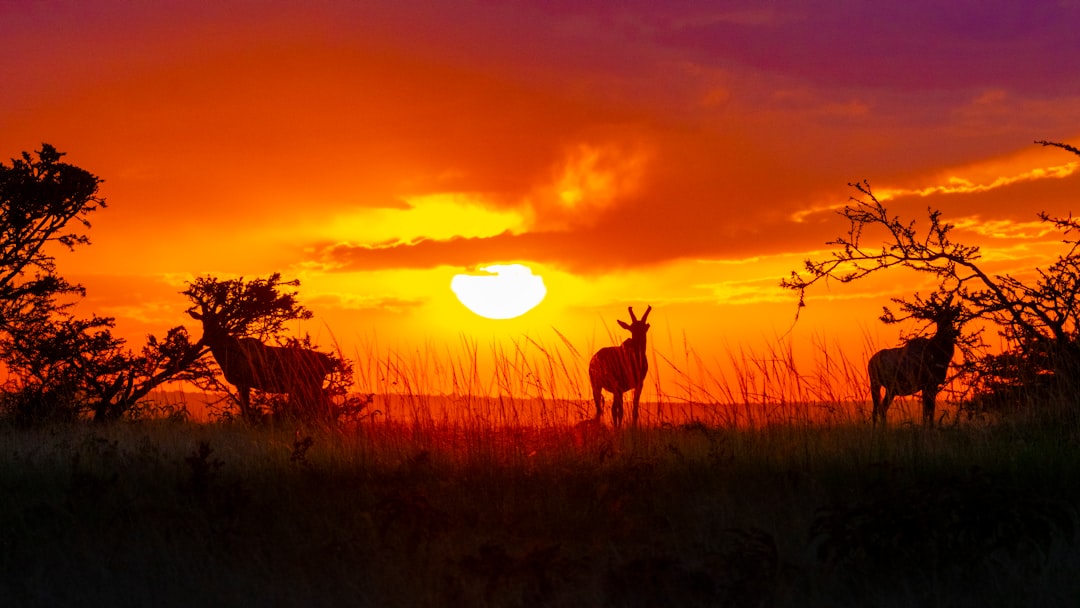
Header photo by Ahmed Galal on Unsplash
Introduction
The animal kingdom is filled with astonishing stories of survival and adaptation, but few are as remarkable as the migrations that certain species undertake. Each year, countless animals travel across continents, navigating daunting terrains and treacherous weather in search of food, breeding grounds, or better climates. These journeys can span thousands of miles, showcasing the incredible endurance and instincts of animals. In this article, we will delve into the fascinating world of animal migrations, highlighting specific species, their habitats, and the unique traits that enable them to migrate successfully.
The Wonders of Migration
This captivating video explores some of the most astonishing animal migrations across the globe, showcasing the challenges and triumphs faced by various species. By diving into their incredible journeys, you’ll gain a deeper appreciation for the resilience of nature and the interconnectedness of ecosystems.
Migration isn’t just about moving from point A to point B; it’s a survival strategy that has evolved over millions of years. Various species have developed remarkable adaptations that make such long journeys possible. In each migration story, you’ll find a blend of instinct, navigational skills, and the ability to endure the unknown. Understanding these journeys can also shed light on broader ecological phenomena and contribute to our appreciation of biodiversity.
1. Monarch Butterflies: A Journey of Transformation
One of the most iconic migrations is that of the monarch butterfly. Every year, millions of these delicate creatures travel approximately 3,000 miles from Canada and the United States to their wintering grounds in Mexico. But what drives this migration? Monarchs rely on environmental cues, such as temperature changes and daylight length, to initiate their journey.
During this journey, monarchs face numerous hazards, including predators, bad weather, and habitat destruction. Their wings, capable of carrying them long distances, are just one part of their survival strategy. The transformation from caterpillar to butterfly is pivotal, allowing them to tap into diverse resources throughout their migration. Monarchs can also store energy as they feed on nectar-rich flowers along the route, helping them sustain their long journey.
2. Arctic Terns: The Champions of Distance
The Arctic tern holds the record for the longest migration of any animal, traveling about 44,000 miles each year between its breeding grounds in the Arctic and wintering locations in the Antarctic. This circular route allows the tern to enjoy continuous summer, benefiting from abundant food resources.
What’s intriguing is the tern’s navigational ability. Researchers believe they use a combination of the sun, stars, and Earth’s magnetic fields to guide them on their way. The Arctic tern’s life is a remarkable demonstration of how migration can span not just miles, but also seasons! The species relies on its impressive memory to retrace routes, ensuring they arrive in optimal habitats for breeding and feeding.
3. Wildebeest: The Great Migration
In Africa, the Great Migration is a sight to behold. Every year, over 1.5 million wildebeests, along with zebras and other animals, travel across the Serengeti plains in search of fresh grazing grounds. This migration is marked by peril, as predators such as lions and crocodiles await the herds.
The wildebeest’s migration is informed by the seasonal rains, which help determine the best paths to take. Moreover, their instinct to move in vast numbers provides safety in numbers, helping ensure that at least some will survive the arduous journey. This perilous trip not only tests their endurance but also plays a critical role in the ecosystem, allowing for nutrient cycling as herbivores graze on grasses before they regrow and provide sustenance for other species.
4. Salmon: The Remarkable Return
Salmon are known for their remarkable journey from the ocean back to their birthplace in freshwater rivers to spawn. This migration, often covering distances of up to 3,000 miles, is truly incredible. Salmon can leap waterfalls and navigate through swift currents to return home. Scientists believe that salmon use their sense of smell to find their way back to the exact spot where they hatched.
This journey not only contributes to the populations but impacts the entire ecosystem. As adult salmon return to spawn and die, they provide essential nutrients to the river ecosystem, benefiting everything from plants to bears that rely on them as a food source. The life cycle of salmon also enriches the surrounding habitats, as their decomposing bodies release nutrients into the water, promoting biodiversity in their aquatic environments, which serves as critical breeding grounds for various species.
The Challenges of Migration
Despite the incredible adaptations that enable animals to migrate, these journeys are fraught with challenges. Climate change, habitat loss, and human activity are increasingly threatening the migratory routes and destinations of many species. These changes can disrupt the delicate balance that migratory animals have with their environments, leading to potential declines in their populations.
Adapting to Change
Some species are adjusting their migration patterns in response to changing environmental conditions. For example, studies have shown that certain bird species are moving their migration timelines earlier in the spring to match the availability of food. While adaptability is crucial, it may not be enough for all species. For instance, if conditions become too extreme, the migratory routes may be lost completely. Not only do migratory animals face altered weather patterns, but changing food availability and habitat destruction make their survival increasingly precarious.
The Importance of Migratory Pathways
Migratory pathways are not just vital for the species making the journeys; they also play a crucial role in maintaining ecological balance. These routes enable genetic exchange between populations, support food webs, and contribute to the health of ecosystems across vast distances. Protecting these pathways means taking a stand for biodiversity, as disruptions can have cascading effects across various species that rely on these routes for survival.
Conservation Efforts
Various organizations work tirelessly to protect migratory routes and habitats. Initiatives such as the establishment of protected areas, like wildlife corridors, aim to enhance the safety of migratory animals. Conservation efforts also involve supporting local communities through sustainable practices that coexist with important migratory paths. Awareness and education are essential; by informing local communities about the importance of these migrations, we can foster greater conservation efforts, leading to innovative approaches to include local stakeholders in preservation strategies.
For those eager to learn more about environmental partnerships in nature, consider exploring how various species create unusual bonds for mutual benefits in unusual animal symbiosis.
Fascinating Facts Table
| Animal | Distance Traveled | Breeding/Feeding Grounds |
|---|---|---|
| Monarch Butterfly | 3,000 miles | Mexico |
| Arctic Tern | 44,000 miles | Arctic/Antarctic |
| Wildebeest | 1,500 miles | Serengeti |
| Salmon | Up to 3,000 miles | Freshwater rivers |
Encouraging Interest in Animal Migration
As you explore the wonders of the animal kingdom, it becomes evident just how remarkable these migrations truly are. Understanding the reasons behind these journeys fosters a deeper appreciation for these species and highlights the importance of ensuring their survival. If you’ve ever marveled at cephalopods or deep-sea creatures, you might find surprising connections in their intelligence and adaptations, which are vital for thriving in their respective habitats.
Don’t forget to check out insights on the intelligence of cephalopods in our article, The Intelligence of Cephalopods. Understanding the connections in the vibrant tapestry of life can inspire you to contribute to conservation efforts.
Key Takeaways
Animal migrations are awe-inspiring moments that reveal the intricate connections between species and their environments. From monarch butterflies to Arctic terns, each species showcases unique adaptations that make migration a fascinating aspect of nature. Protecting migratory routes and encouraging awareness and conservation efforts is essential to sustain these breathtaking journeys for future generations.
In light of the numerous challenges these species face, it’s crucial to remain vigilant in our efforts to track their populations and protect their habitats. Staying informed can also help you become an active participant in preservation efforts, making a real difference.