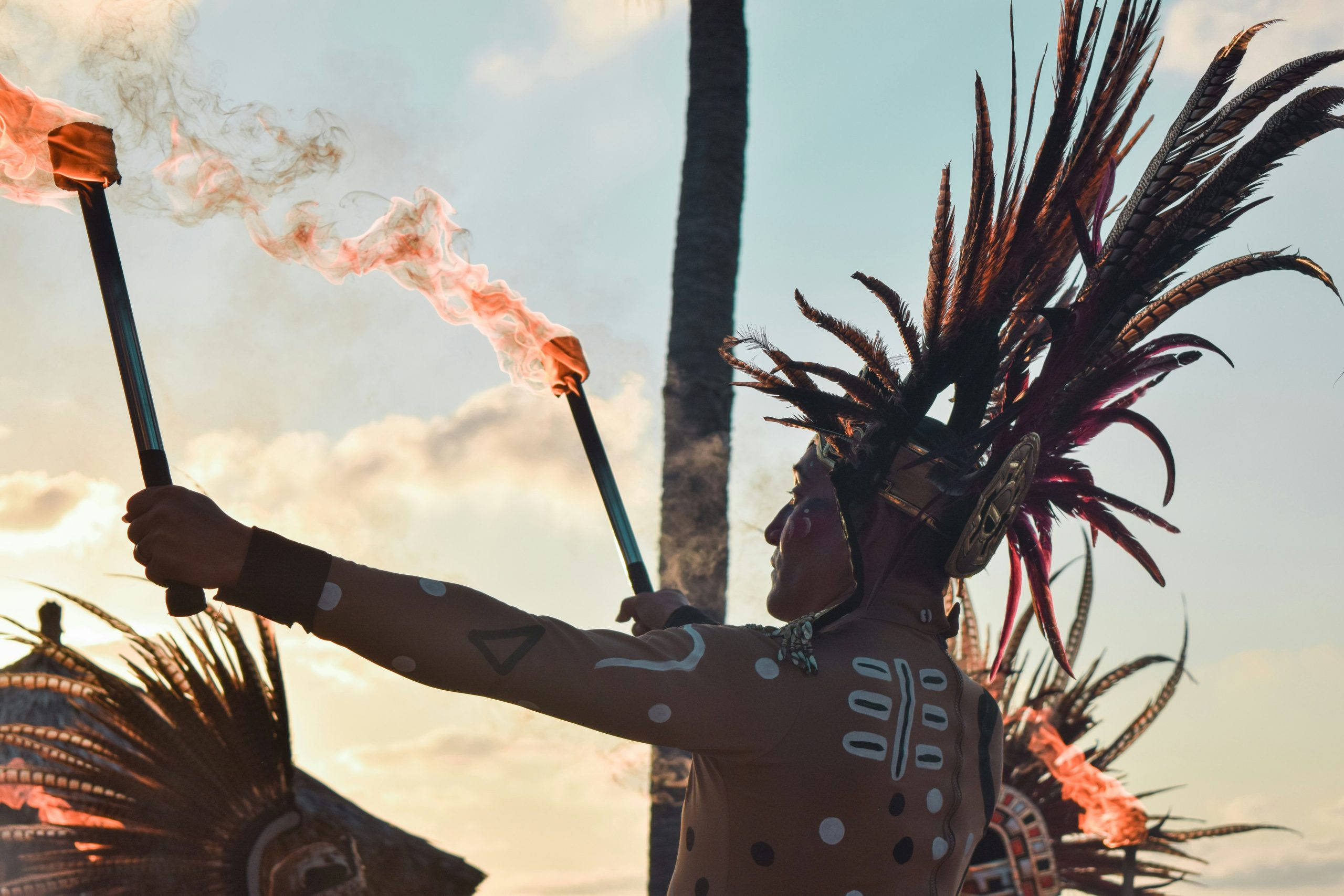
If you want to discover truly fascinating facts about the Aztecs, you’re in the right place. The Aztec Empire once thrived in the heart of what is now Mexico City, leaving behind art, architecture, and technology that continue to captivate historians. As you explore these highlights, you’ll see just how the Aztecs shaped modern agriculture, religion, and even the chocolate you love.
Ancient Aztec Beginnings
The Aztec story starts around 1320, when they founded their capital city, Tenochtitlan, on an island in Lake Texcoco. Legend says they saw an eagle perched on a cactus clutching a snake, a powerful omen that guided them to settle in this marshy landscape.
Founding Facts
- The Aztecs also called themselves the Mexica.
- Nahuatl, their language, is still spoken by about three million people in central Mexico.
Behold Tenochtitlan’s Grandeur
Tenochtitlan grew into one of the world’s largest cities of its time, home to hundreds of thousands of people by the early 1500s. Its iconic twin pyramids soared nine stories high, painted in vivid reds and blues.
Urban Wonder
- Canals and causeways connected the city’s districts.
- Markets bustled with everything from maize to cotton textiles.
Explore Their Innovative Farming
The Aztecs practiced an ingenious technique called chinampas, often described as “floating gardens.” By weaving reeds into mats, layering mud from Lake Texcoco, and planting willows for support, they turned watery swamplands into fertile plots that produced multiple harvests a year.
Chinampas At A Glance
- Supported staple crops like corn, beans, and chilies.
- Influenced modern hydroponic methods used in urban farming.
Uncover Complex Calendars
Aztec daily life revolved around two main calendars: the 260-day ritual calendar (Tonalpohualli) and the 365-day solar calendar (Xiuhpohualli). These calendars aligned every 52 years in a momentous ceremony called the New Fire rite, seen as a renewal of the entire world (HowStuffWorks).
Key Calendar Features
- Tonalpohualli guided spiritual rituals and festivals.
- Xiuhpohualli supported agricultural planning and civic life.
Religious Rituals
Aztec religion comprised many gods, each overseeing an aspect of life, from war to rain. Human sacrifice was part of their cosmic balance, believed to repay the gods who first sacrificed themselves to create the world (History on the Net).
Belief Snapshot
- Important deities included Huitzilopochtli (war) and Tlaloc (rain).
- The New Fire ceremony took place every 52 years to stave off global catastrophe.
Aztec Influence Today
Modern cuisine owes a lot to Aztec innovations. Chocolate, chili peppers, tomatoes, and avocados all trace back to Nahuatl-speaking peoples. Beyond food, their medical knowledge and vivid dyes remain relevant in contemporary culture.
Lasting Footprints
- Many Spanish accounts of the empire contributed to European understanding of the Americas.
- Ceremonial traditions like Day of the Dead still incorporate ideas once central to Aztec spirituality.
If you’re curious to learn more about ancient civilizations, check out amazing facts about the Incas or broaden your knowledge with fascinating facts about the Olmecs. Each civilization left its own unforgettable mark on world culture.
Take a moment to appreciate how these fascinating facts about the Aztecs reflect their remarkable blend of engineering brilliance, spiritual devotion, and creative flair. By looking back at their world, you’ll gain fresh insight into how history shapes the way you live today.