In this article, you will uncover some truly surprising facts about World War 1 that go far beyond the usual textbook lessons. The Great War left behind an enormous footprint on global politics, society, and technology. From electrified barbed wire to the reinvention of everyday items, you will discover how these extraordinary events still influence modern life.
Examining The War’s Unexpected Turn
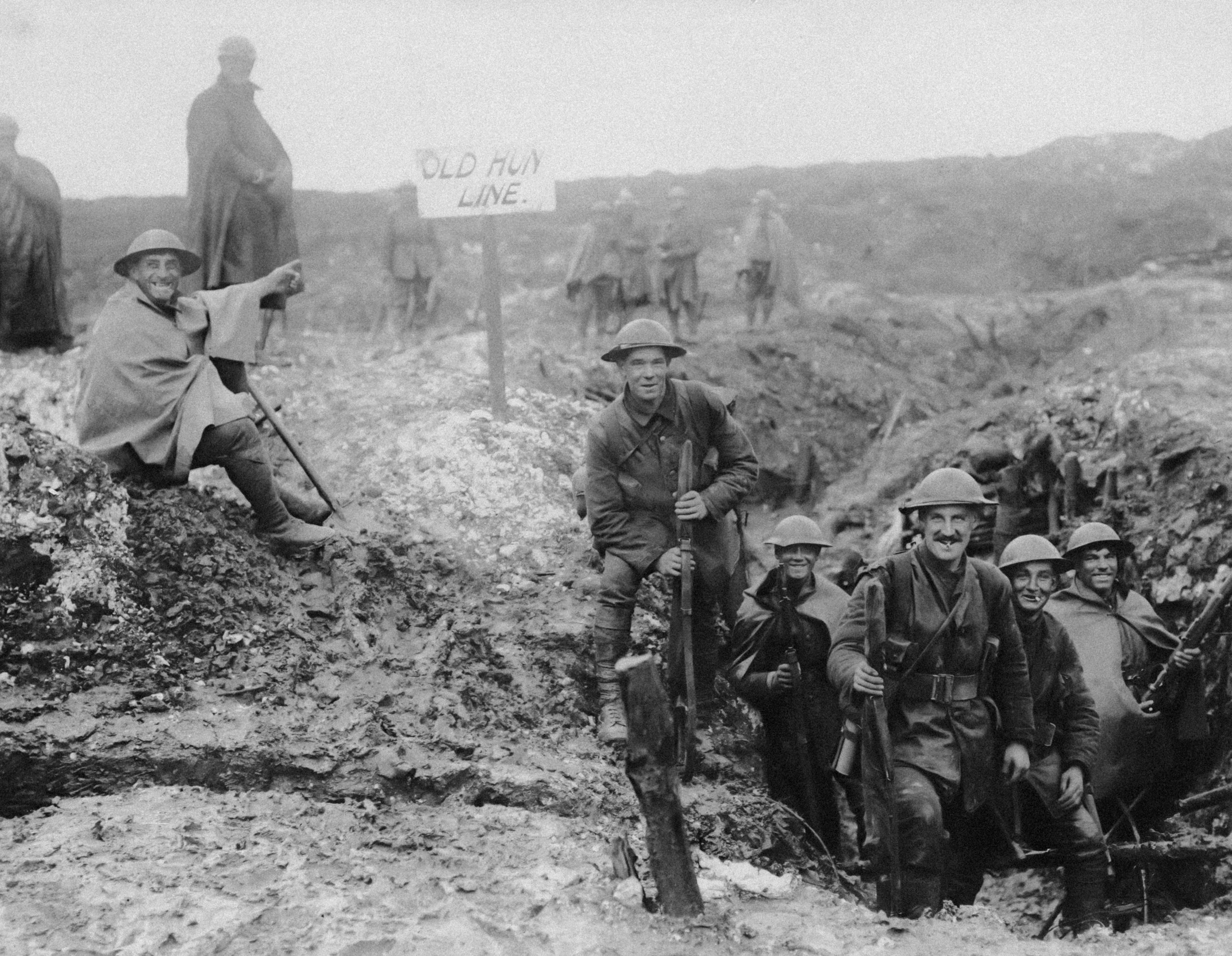
Retreat To The Hindenburg Line
You might picture grim trench warfare stretching from the North Sea to Switzerland, but by spring 1917, German forces pulled back to the heavily fortified Hindenburg Line. According to the Imperial War Museums (https://www.iwm.org.uk/history/rare-personal-accounts-of-life-in-the-trenches-in-1917), this retreat was a deliberate move to shorten their front and preserve troops after staggering losses in 1916. Despite leaving villages in ruins, the new defensive position made it tough for the Allies to secure an immediate victory.
A Harsh Scorched Earth Tactic
When German soldiers abandoned their previous lines, they used scorched earth tactics. They blew up bridges, cut down orchards, and left mines in abandoned trenches and booby-trapped dugouts. Allied troops had to approach each deserted position with extreme caution. As reported by the Imperial War Museums (https://www.iwm.org.uk/history/rare-personal-accounts-of-life-in-the-trenches-in-1917), entire villages were set on fire to slow any enemy pursuit, creating haunting images of blackened landscapes.
Uncovering Bizarre Tactics And Tech
Tanks With “Genders”
Before World War 1, no one had ever seen a tank in combat. Early designs were so experimental that they were classified by “gender.” Male tanks were equipped with cannons, while female tanks carried machine guns. As noted by History.co.uk (https://www.history.co.uk/article/10-little-known-facts-about-ww1), the prototype was endearingly called “Little Willie.” Though cumbersome, these machines foreshadowed modern armored warfare.
Electrified Barbed Wire
Trenches weren’t just piles of dirt and sandbags. In certain regions like Hartmannswillerkopf, German forces electrified their barbed wire defenses, drawing power from a nearby station. The Western Front Association (https://www.westernfrontassociation.com/world-war-i-articles/the-stories-that-men-tell/) confirms that this was an incredibly rare tactic, but it served as a fearsome deterrent for any troops attempting a nighttime raid.
Social And Cultural Impacts
American Anti-German Sentiment
On the home front, attitudes toward anything German took a dramatic turn in the United States. German language instruction vanished from schools, and foods like frankfurters and sauerkraut were rebranded as “liberty sausages” and “liberty cabbage.” History.co.uk (https://www.history.co.uk/article/10-little-known-facts-about-ww1) illustrates just how far this went, even influencing dog breeds like dachshunds, which became “liberty dogs.”
The “Hello Girls” And Communication
During World War 1, you might have heard of the “Hello Girls” working tirelessly as telephone operators. These bilingual American women connected critical calls for General Pershing’s forces. The Doughboy Foundation (https://doughboy.org/25-mind-blowing-facts-about-world-war-i-that-shaped-the-world/) notes they finally received official military recognition decades later, showing how war often propelled women into pivotal roles that shaped future social change.
Birth Of British Passports
Wartime paranoia fueled the invention of the modern British passport. According to DigVentures (https://digventures.com/2015/03/10-surprising-ways-world-war-one-changed-our-everyday-lives-forever/), the British Nationality and Status of Aliens Act of 1914 introduced travel papers with photos and personal descriptions. You might be surprised to learn that this new system was deliberately designed to curb enemy spies and control foreign travel.
Recognizing the War’s Ongoing Legacy
Medical Transformations
World War 1 left behind many horrors, but it also sparked breakthroughs you benefit from today. Mustard gas injuries helped scientists understand how chemicals affect white blood cells, paving the way for early chemotherapy. DigVentures (https://digventures.com/2015/03/10-surprising-ways-world-war-one-changed-our-everyday-lives-forever/) explains researchers eventually discovered these toxic agents could shrink lymphoma tumors.
Superstitions On The Front Lines
You might be intrigued by the strange stories of angels and phantom cavalry rescuing soldiers in no-man’s-land. The Doughboy Foundation (https://doughboy.org/25-mind-blowing-facts-about-world-war-i-that-shaped-the-world/) reports that glimpses of such visions became part of trench superstitions. In a conflict defined by nightmarish conditions, these hopeful tales gave soldiers a glimmer of comfort amid chaos.
Looking Ahead
The war that was supposed to end all wars laid the groundwork for major upheavals, from the Russian Revolution to future conflicts. If you are curious about how these shocks to the global system played out afterward, you could explore facts about world war ii. You may also enjoy delving into things you didnt know about the battle of waterloo to compare how earlier wars reshaped Europe. As you continue uncovering fascinating facts about history, you will see how each event, even centuries old, has fresh relevance for you today.
Remember, what you read here only scratches the surface of World War 1’s complexity. These surprising facts about World War 1 highlight how a single four-year conflict changed the world forever, influencing everything from global politics to your daily routines. Keep exploring and let your curiosity guide you to new discoveries and deeper understanding.